

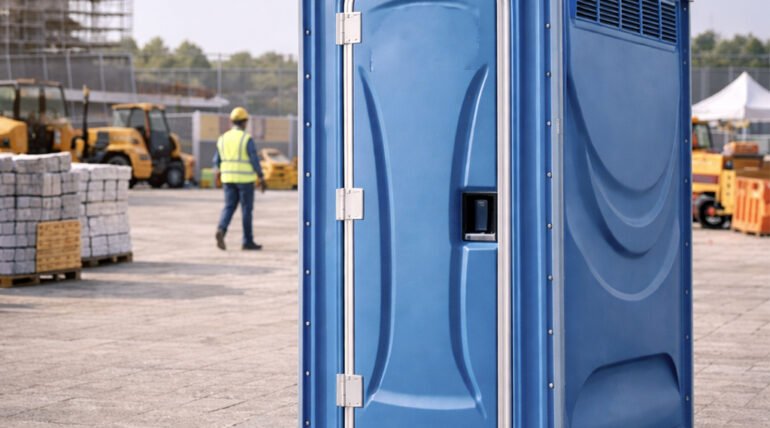
Construction projects across the UAE operate under a unique set of pressures — large workforces, demanding climate conditions, and strict regulatory frameworks that leave little room for oversight. Among the many logistical challenges site managers deal with, sanitation is one that can easily be underestimated until it begins to affect daily operations.
For most projects, portable toilet rental has become an essential part of site planning. It offers a practical way to meet worker welfare obligations without the cost and delay involved in installing permanent sanitation infrastructure during early construction phases.
Understanding how rental packages work, what services they include, and how to choose the right provider can make a significant difference in keeping a project compliant and running smoothly.
Why Sanitation Planning Cannot Be an Afterthought on UAE Sites
Municipal authorities and labour departments across the UAE enforce strict health and safety standards. Worker welfare requirements clearly include sanitation facilities, and construction sites are regularly inspected to ensure those standards are being met.
Non-compliance can lead to penalties, work stoppages, or unnecessary project delays.
Beyond regulatory concerns, sanitation also affects day-to-day site efficiency. Workers who have access to clean, nearby facilities remain on site, lose less time during shifts, and experience fewer hygiene-related health issues.
On projects that employ hundreds of workers across multiple shifts, the operational benefits quickly become clear. This is why portable toilet rental services are widely used across construction sites in Dubai, Abu Dhabi, and other Emirates.
What a Rental Package Actually Covers
Most professional providers offer complete service packages rather than simply supplying equipment. These packages typically cover the entire sanitation lifecycle on a construction site.
Delivery and Installation
Units are delivered to the project site fully assembled and ready for use. Placement is usually coordinated with site supervisors to ensure accessibility while avoiding disruption to ongoing construction activity.
Functional Fittings
Depending on the unit type, standard features commonly include:
- Flush or chemical waste systems
- Ventilation systems
- Handwash basins or sanitizer dispensers
- Interior lighting in certain models
These features ensure the facilities remain usable throughout long working shifts.
Scheduled Maintenance
Maintenance is one of the most critical aspects of portable toilet rental packages. Regular servicing typically includes:
- Waste tank emptying
- Full cleaning and disinfection
- Restocking of hygiene supplies
Consistent servicing ensures that sanitation facilities remain hygienic even on high-traffic sites.
Flexible Contract Terms
Construction timelines rarely remain fixed, and workforce numbers can change during different project phases.
Rental providers usually offer flexible contract options including:
- Daily or weekly rentals for short projects
- Monthly rental packages for longer construction phases
- Long-term agreements for major infrastructure developments
This flexibility allows sanitation capacity to expand or reduce as project requirements change.
Types of Units in Use on Construction Sites
Construction projects vary widely in size and complexity, so sanitation providers usually offer several types of units designed for different site conditions.
Standard Chemical Toilets
These are the most commonly used sanitation units on construction sites.
They are self-contained, do not require sewer connections, and can be installed quickly even on early-stage or remote project sites.
GRP and FRP Portable Toilet Cabins
Cabins made from Glass Reinforced Plastic (GRP) or Fibre Reinforced Plastic (FRP) are designed for durability and extended use.
These materials perform well under heavy usage and prolonged exposure to heat. Multi-cabin configurations are often deployed on large construction projects where multiple workers require access simultaneously.
High-Rise Units
High-rise construction projects present a unique challenge. Workers on upper floors cannot realistically travel several levels down every time sanitation facilities are required.
High-rise portable toilets are built with reinforced frames and lifting hooks so they can be transported using cranes and positioned safely on upper floors.
Management and Office Facilities
Site offices and administrative teams often require upgraded sanitation units.
These facilities may include improved ventilation, better interior finishes, and in some cases, air-conditioning systems to accommodate office personnel working on site.
How Modern Portable Toilets Are Designed for Construction Sites
Portable sanitation units used today are far more advanced than earlier designs. Modern units are engineered to withstand heavy use while maintaining hygiene and ease of maintenance.
Many units are manufactured using high-density polyethylene (HDPE) or glass-reinforced plastic, materials that offer strong resistance to impact, heat, and harsh outdoor conditions. These materials help prevent cracking, warping, or odor absorption even during extended use in high-temperature environments.
Ventilation is another important design element. Some units incorporate molded ventilation channels within the walls and floor structure to maintain continuous airflow. This helps reduce odor buildup and improves overall interior comfort.
Waste tank design also plays a role in sanitation efficiency. Tanks with sloped surfaces and deep-sumped interiors allow liquids to drain more effectively, preventing pooling and ensuring deodorizing chemicals work more efficiently during servicing.
Other structural features commonly found in modern units include:
- Large waste tanks designed for high-usage environments
- Smooth interior surfaces that simplify cleaning
- Impact-resistant construction for durability
- Ventilation systems designed to maintain airflow
These improvements allow portable sanitation units to perform reliably even under the demanding conditions typical of large construction projects.
Regulatory Requirements: What the Numbers Look Like
Worker welfare guidelines in the UAE generally follow a basic sanitation ratio. A common reference point is one toilet for every 10 to 15 workers on site.
Larger projects may require additional facilities, particularly when multiple shifts are operating.
Wash basin provision is often considered separately, especially on projects employing large workforces.
In addition to quantity, authorities also evaluate placement, maintenance, and ventilation. Units must be properly sealed and regularly serviced to remain compliant with inspection standards.
Working with an established rental provider often simplifies this process, as experienced companies understand the documentation and servicing requirements associated with inspections.
The Heat Factor: Managing Sanitation in UAE Summer Conditions
Summer temperatures across the UAE frequently exceed 45°C, which creates additional challenges for sanitation management.
Heat accelerates waste decomposition and increases odor levels, meaning sanitation units require more frequent servicing during peak summer months.
Experienced providers adapt to these conditions by:
- Increasing maintenance frequency
- Using specialized sanitation chemicals designed for high-temperature environments
- Deploying durable materials such as GRP and HDPE that perform better under prolonged sun exposure
This is one of the operational differences that separates experienced portable toilet rental dubai providers from less specialised suppliers.
The Operational Case for Getting This Right
Reliable sanitation planning offers several practical advantages for construction projects.
Workers who have easy access to facilities remain on site and lose less time during shifts. Clean sanitation facilities also reduce the likelihood of illness-related absenteeism.
From a financial perspective, temporary sanitation units are far more cost-effective than installing and removing permanent plumbing infrastructure during early construction stages.
As project size changes, rental capacity can be adjusted easily by adding or removing units. This scalability makes portable toilet rental an efficient option for projects that evolve over time.
Choosing the Right Provider: What to Look For
The choice of provider can have a significant impact on sanitation performance.
Construction-specific experience is important. Providers familiar with UAE construction environments understand regulatory expectations, workforce sizes, and the logistical challenges of operating on active sites.
Material quality should also be evaluated carefully. Units constructed from GRP or HDPE tend to last longer and perform better under extreme temperatures.
Maintenance reliability is equally important. Consistent servicing schedules and responsive support teams help ensure sanitation facilities remain hygienic throughout the project lifecycle.
Contract flexibility is another key consideration. Construction timelines and workforce sizes frequently change, so rental agreements should allow adjustments without excessive penalties.
Many contractors rely on portable toilet rental dubai providers that offer full service packages including delivery, servicing, and ongoing maintenance.
Final Thoughts
Sanitation may not be the most visible part of construction project planning, but it plays a critical role in daily site operations. With large workforces, strict inspections, and challenging environmental conditions, sanitation infrastructure must be managed carefully.
Portable toilet rental packages allow construction teams to provide reliable sanitation facilities without the complexity of building permanent infrastructure during early project stages.
When supported by consistent maintenance and reliable service, these solutions help ensure regulatory compliance, worker welfare, and smoother project operations across construction sites in the UAE.
