
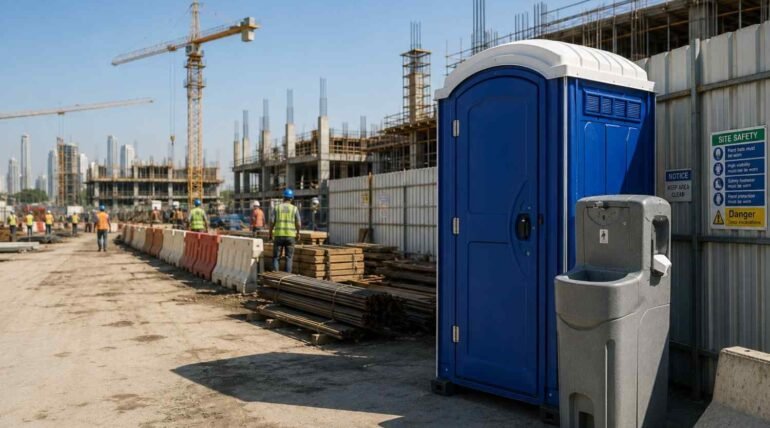
On a busy construction site or at a large outdoor event, portable toilets often become part of the background—until something goes wrong. A shortage of units, unpleasant odours, poor placement, or inconsistent servicing can quickly lead to complaints from workers, supervisors, visitors, and even clients. In many cases, these issues are not caused by the toilets themselves but by avoidable planning mistakes.
Simply installing portable toilets on-site doesn’t automatically solve every sanitation challenge. Factors such as the number of units, their location, servicing schedule, and overall maintenance all play a significant role in creating a clean, comfortable, and efficient environment. When these details are overlooked, even high-quality facilities can generate unnecessary complaints.
As construction projects across the UAE continue to grow in size and complexity, temporary sanitation has become an essential part of site planning rather than an afterthought. Well-maintained portable toilets in UAE contribute to worker welfare, improve productivity, and support health and safety standards. Planning the right sanitation setup from the beginning helps reduce disruptions and creates a better experience for everyone on site.
If complaints about site sanitation continue to arise, the following are some of the most common mistakes—and the practical steps you can take to avoid them.
Mistake #1: Not Providing Enough Portable Toilets
One of the biggest reasons workers complain is simple: there aren’t enough toilets available.
Many project managers estimate requirements based on rough numbers instead of the actual workforce. While this may seem like a cost-saving decision, it often creates longer queues, overcrowded facilities, and faster waste accumulation. During the UAE’s summer months, workers naturally consume more water to stay hydrated, increasing the demand for sanitation facilities throughout the day.
Instead of relying on general estimates, plan according to your peak workforce, shift schedules, and project duration. On larger or 24-hour projects, reviewing toilet requirements regularly is just as important as the initial calculation.
Providing the right number of portable toilets in UAE construction projects doesn’t just improve convenience—it helps maintain site efficiency and reduces unnecessary downtime.
Mistake #2: Choosing the Wrong Type of Portable Toilet
Not every project has the same sanitation requirements.
A standard portable toilet may work well for a short-term construction project, but it may not be suitable for long-duration infrastructure works, VIP events, or sites that require higher comfort standards.
Choosing the right solution depends on factors such as:
- Number of users
- Project duration
- Site location
- Level of comfort required
- Accessibility requirements
For example, trailer toilets are often preferred for premium events and executive areas, while durable HDPE portable toilets are better suited for demanding construction environments. Likewise, projects with higher worker numbers may benefit from toilet blocks instead of individual units.
Selecting the right solution from the beginning prevents many of the complaints that arise from overcrowding or unsuitable facilities.
Mistake #3: Poor Placement Across the Site
Even the best portable toilet becomes inconvenient if it’s installed in the wrong location.
A common mistake is placing all units in one corner of a large project simply because it’s easier for delivery vehicles. Workers then spend valuable time walking long distances, while some areas of the site remain underserved.
Placement should always consider:
- Easy access for workers
- Safe walking routes
- Stable, level ground
- Accessibility for servicing vehicles
- Adequate lighting during evening or night shifts
Loose sand, uneven surfaces, or blocked service routes can make maintenance difficult and increase the likelihood of delays. As construction progresses, toilet locations should also be reviewed because work zones often shift throughout the project.
A well-planned layout ensures portable toilets in UAE remain practical for both users and service teams.
Mistake #4: Ignoring Hand Hygiene
Providing toilets without proper handwashing facilities is another oversight that often leads to dissatisfaction.
Today’s construction sites place greater emphasis on hygiene than ever before. Workers expect clean sanitation facilities where they can wash their hands before returning to work, especially on projects involving food handling, healthcare, infrastructure, or large labour forces.
Installing portable hand wash stations beside toilet units helps create a more complete sanitation setup while encouraging better hygiene practices across the site.
It’s also important to keep soap dispensers, clean water, and paper supplies fully stocked. Small details like these make a noticeable difference to the overall user experience and demonstrate a stronger commitment to worker welfare.
Mistake #5: Delaying Cleaning and Maintenance
Even the best portable toilets require regular servicing to perform as expected. Delaying cleaning and maintenance is one of the quickest ways to increase complaints on any worksite.
The UAE’s high temperatures can accelerate odour build-up and reduce the effectiveness of sanitation chemicals, especially during the summer months. On busy construction sites, relying on a standard weekly service schedule may not be enough. As workforce numbers increase, servicing frequency should also be adjusted to match actual usage.
A proper maintenance routine should include:
- Waste removal
- Thorough cleaning and sanitising of interior surfaces
- Refilling deodorising chemicals
- Restocking toilet paper, soap, and other consumables
- Inspecting ventilation and checking the overall condition of each unit
Consistent servicing not only keeps facilities cleaner and more comfortable but also extends the lifespan of the units while helping prevent avoidable complaints.
Mistake #6: Focusing on Cost Instead of Quality
Choosing the lowest-cost portable toilet may reduce upfront expenses, but it often leads to higher maintenance costs and more site complaints over time.
In the UAE, portable toilets are exposed to intense sunlight, high temperatures, dust, and continuous daily use. Units made from lower-grade materials can fade, crack, or become uncomfortable much sooner, especially during the summer months. Poor ventilation, weak construction, and limited durability also affect the user experience.
Investing in well-built HDPE portable toilets with proper ventilation and durable construction helps minimise maintenance issues while providing a cleaner and more comfortable environment for workers. When selecting portable toilets in UAE, durability should always be considered alongside price.
Mistake #7: Overlooking Local Site Requirements
Sanitation planning is not just about placing toilets on a site—it also involves supporting worker welfare and maintaining safe, hygienic working conditions.
Across the UAE, construction and industrial projects place increasing importance on worker welfare facilities. Easy access to toilets, handwashing stations, clean drinking water, and rest areas contributes to a healthier and more productive workforce. Government guidance also highlights the importance of providing suitable sanitary facilities that are accessible, clean, and regularly maintained as part of overall worker welfare.
For project managers, this means sanitation should be planned alongside other essential site facilities instead of being treated as a last-minute requirement.
A Simple Site Checklist to Reduce Complaints
Many sanitation issues can be prevented through regular inspections and proactive planning. Before a project reaches full capacity, it’s worth asking a few simple questions:
- Are there enough portable toilets for the current workforce?
- Are toilets located close to active work areas?
- Are hand wash stations available and fully stocked?
- Are the units installed on stable, level ground?
- Is cleaning scheduled according to actual site usage rather than a fixed timetable?
- Can service vehicles easily access every unit?
- Have sanitation requirements been reviewed as the project expands?
A quick weekly review often prevents small issues from turning into repeated worker complaints.
Why Good Sanitation Benefits the Entire Project
Well-managed sanitation facilities do more than keep a site clean.
When workers have access to reliable facilities, projects often experience fewer interruptions, better morale, improved hygiene, and a more organised working environment. Visitors, contractors, and clients also notice the difference. Clean and well-maintained facilities reflect positively on the professionalism of the contractor and the overall management of the project.
This is particularly important on large infrastructure developments, industrial sites, and outdoor events, where temporary sanitation plays a key role in daily operations.
Conclusion
Most portable toilet complaints can be prevented with better planning and consistent maintenance. Providing the right number of units, selecting suitable facilities, placing them in convenient locations, and following a proper servicing schedule all contribute to a cleaner and more efficient worksite.
As construction and infrastructure projects continue to expand across the region, investing in well-planned portable toilets in UAE is about more than meeting basic sanitation needs. It supports worker welfare, improves day-to-day operations, and helps maintain a safer, more productive working environment. Taking the time to plan sanitation correctly from the start can significantly reduce site complaints while creating a better experience for everyone on the project.